Taegon Hibbitts
Computer Engineer | Research Assistant @ University of Maryland | Engineer in Training (EIT)
View Portfolio
▶ Watch intro
Skills
- Python
- C
- MATLAB
- Verilog
- gem5
- MIPS Assembly
- FPGA / Vivado
- Verilator / Yosys
- Linux
- Git
- OpenCV
- Raspberry Pi / Arduino
Education
University of Maryland | B.S. in Computer Engineering
Graduated May 2026
About Me
I am a computer engineer focused on computer architecture, microarchitectural modeling, and RTL hardware acceleration. My current research interests center on computer architecture representation—specifically exploring how structured component and resource constraint representations in architectural simulators like gem5 can accelerate and optimize CPU and memory design space exploration.
My background spans architectural simulation, microarchitectural bottleneck characterization, and FPGA acceleration. In recent research, I have investigated how representation structures guide architectural optimization, evaluated microarchitectural stalls and branch/cache behavior across domain-specific workloads using Linux hardware performance counters, and designed streaming RTL accelerators—such as parameterized systolic arrays and pipelined structure tensor engines—synthesized and verified on Artix-7 FPGAs.
In addition to architecture and RTL design, I have built optimized backend data architectures and ETL pipelines for astronomical datasets at NASA's Small Bodies Node (co-authoring an ADASS publication) and developed geospatial machine learning annotation platforms at UT Austin (presented at AGU 2024). I am driven by understanding and optimizing the foundational interfaces between architectural abstractions, physical hardware execution, and computational performance.
Experience
Independent Researcher — Computer Architecture Representation
University of Maryland | Advisor: Dr. Manoj Franklin
Jan 2026 – Present
- Modeled CPU/memory design spaces in gem5 with structured component and resource constraints.
- Evaluated 972 CPU/memory configurations across 18 trials, reaching near-optimal configuration in 4.44 vs 9.33 steps for structured vs. flat representations, reducing search steps by 52%.
Research Assistant — Microarchitectural Benchmarking
University of Michigan | Advisor: Dr. Nathaniel Bleier
Jan 2026 – May 2026
- Benchmarked 225 genomic alignments with work-matched GWFA using Linux hardware performance counters.
- Identified up to 104% more branch mispredictions, 45% more L1D misses, and 58.2% higher instructions/W in workloads with different wavefront frontier shapes despite matched computational work.
Undergraduate Researcher — Senior Thesis
University of Maryland | Advisor: Dr. Manoj Franklin
Jan 2026 – May 2026
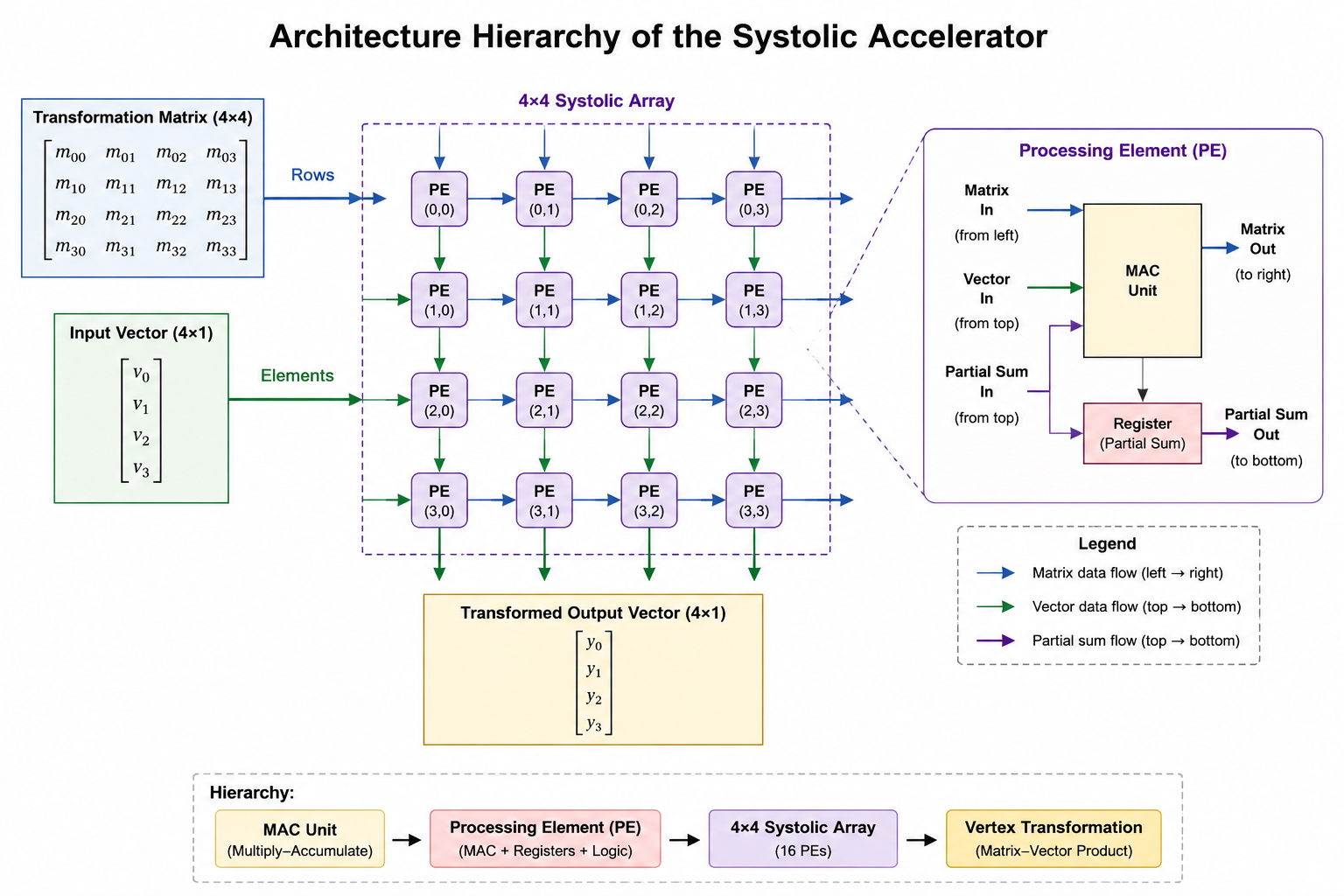
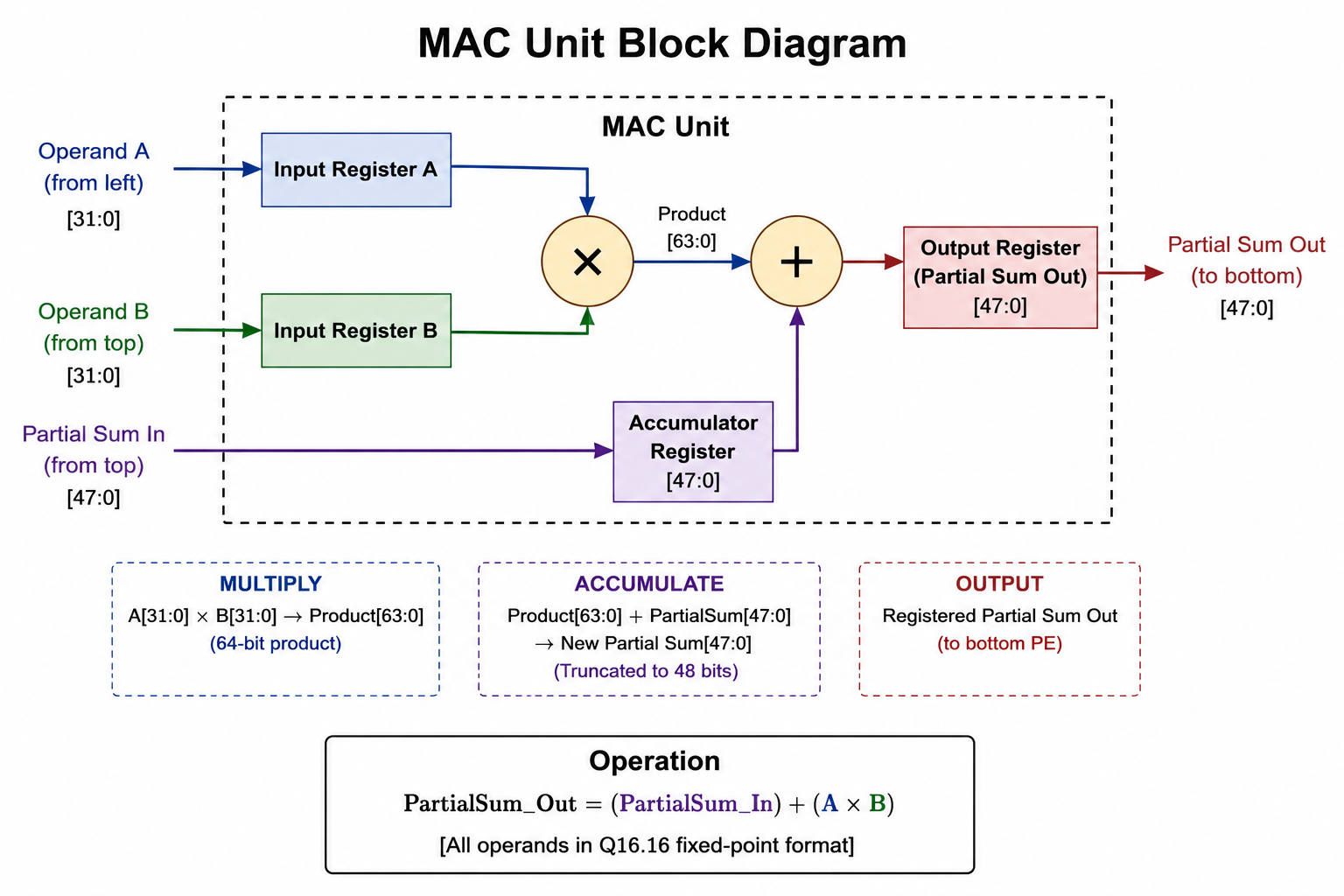
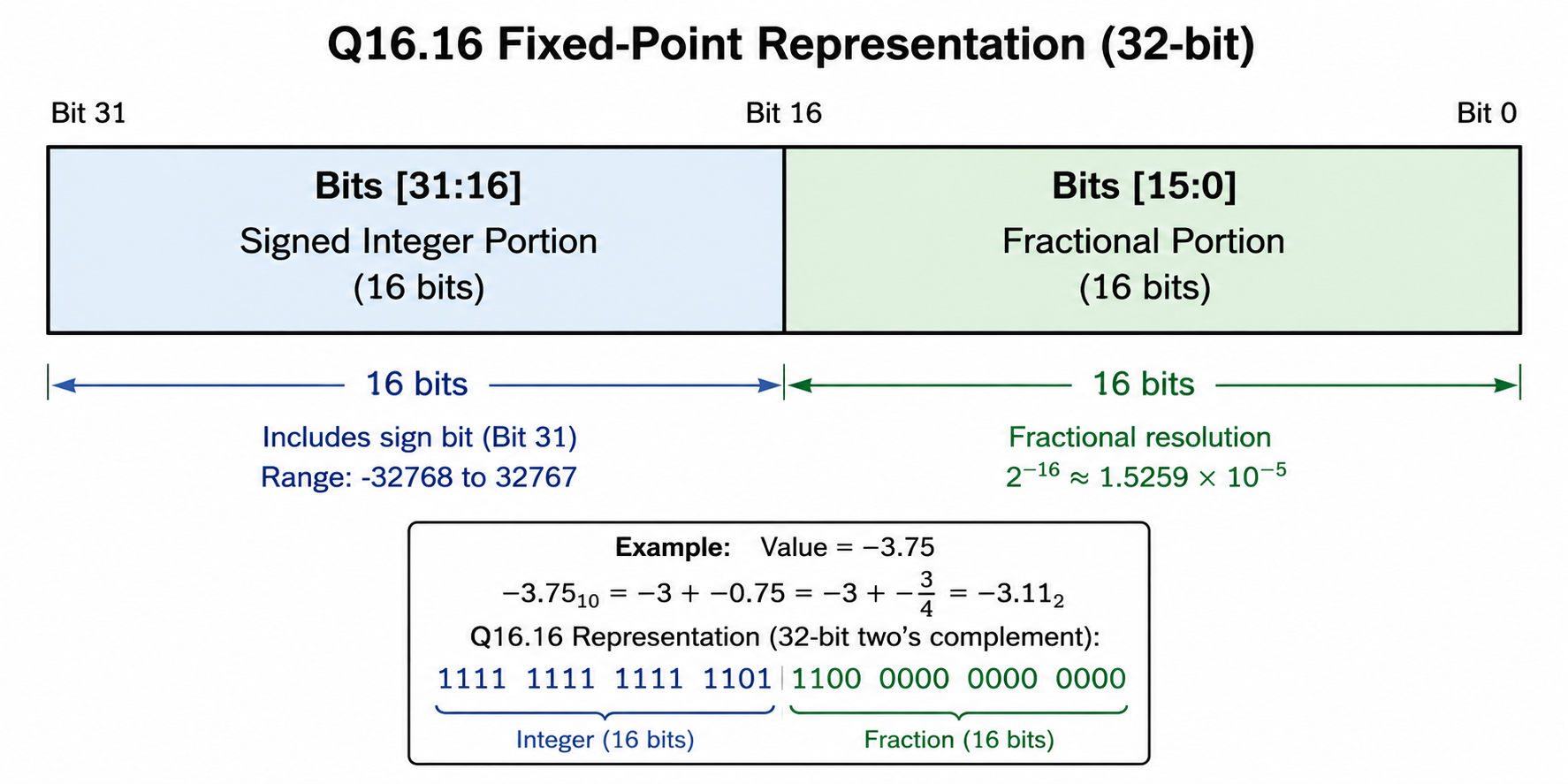
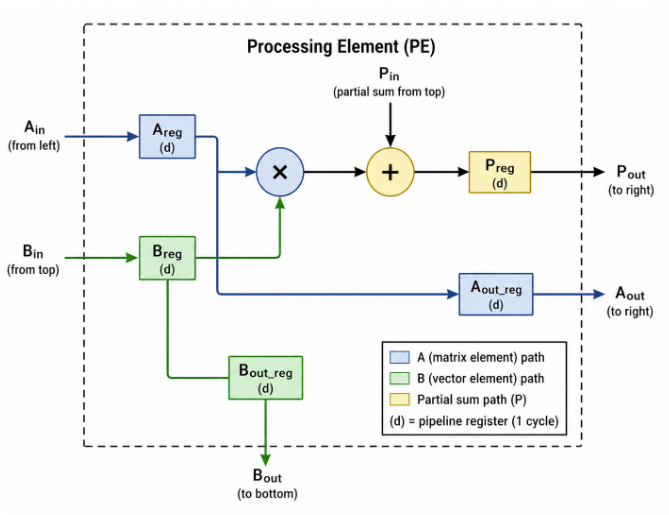
- Designed and verified a parameterized Q16.16 Verilog 4×4 systolic array (MAC) for matrix-vector operations.
- Verified cycle-accurate functionality using Verilator and synthesized on an Artix-7 FPGA with Vivado.
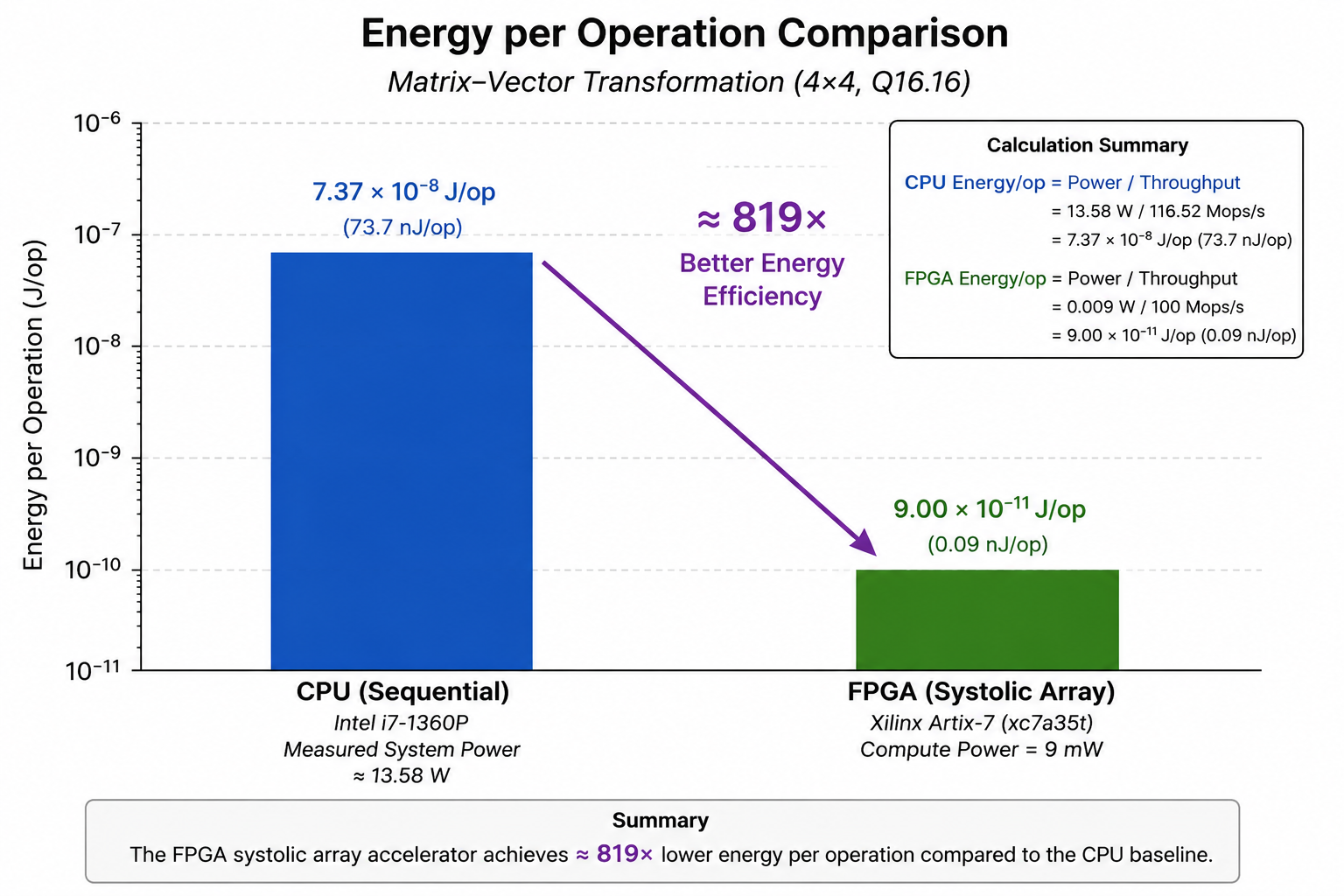
- Achieved 33% higher throughput at 100M ops/s and 100 MHz vs. a sequential CPU baseline, with 9-cycle latency.
Software Developer
NASA Small Bodies Node | University of Maryland
Aug 2022 – May 2026
- Led redesign of backend data architecture, introducing indexed junction tables and optimized relational queries for MPECWatch.
- Built a single-pass Python/Pandas ETL pipeline, reducing runtime by 40% over iterative SQL queries.
- Developed Python, Pandas, and Plotly analytics and visualization tools for a database with over 1 million MPECs.
RTX Intern
UT Austin | Bureau of Economic Geology
Jun 2024 – Aug 2024
- Developed a Python-based geospatial annotation platform for NASA EMIT satellite imagery and designed a parameterized geographic batching strategy to group repeated observations for efficient labeling.
- Curated a 47 GB dataset, manually annotating ~3,000 images for CNN classification with initial accuracy ~83%.
Publications & Presentations
-
MPEC Watch, a Novel Community Reference Resource Based on the Minor Planet Center Live Data
Ye, Q., Hibbitts, T., & Bauer, J. M. ADASS XXXIII, ASP Conference Series, Vol. 541, p. 289. DOI: 10.26624/DMWP6707. -
Automated Classification of Methane Super Emitters Using Satellite Data
Hibbitts, T. & Dashtian, H. (2024). Poster presented at the AGU Fall Meeting, Washington, D.C., Abstract A21K-1919.
Selected Projects
A curated list of hands-on projects that showcase software and hardware skills from my resume.
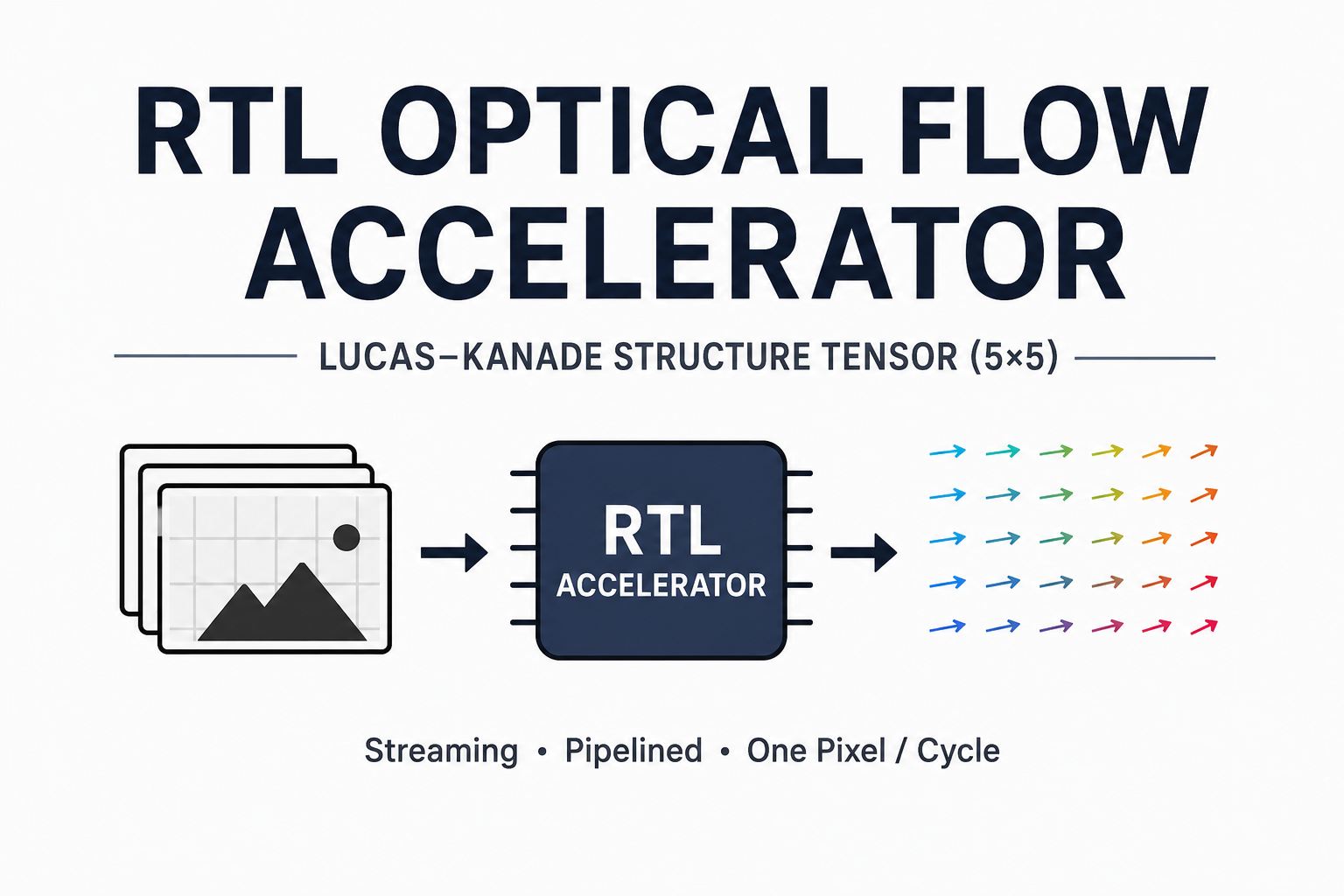
RTL Optical Flow Accelerator (Lucas–Kanade Structure Tensor)
A streaming RTL hardware accelerator implemented in Verilog for computing the Lucas–Kanade structure tensor (second-moment matrix: Sxx, Sxy, Syy, Sxt, Syt) using a 4-stage pipeline with BRAM-backed line buffering and 5×5 spatial box filtering. Synthesized and verified on a Xilinx Artix-7 FPGA (Digilent Basys 3).
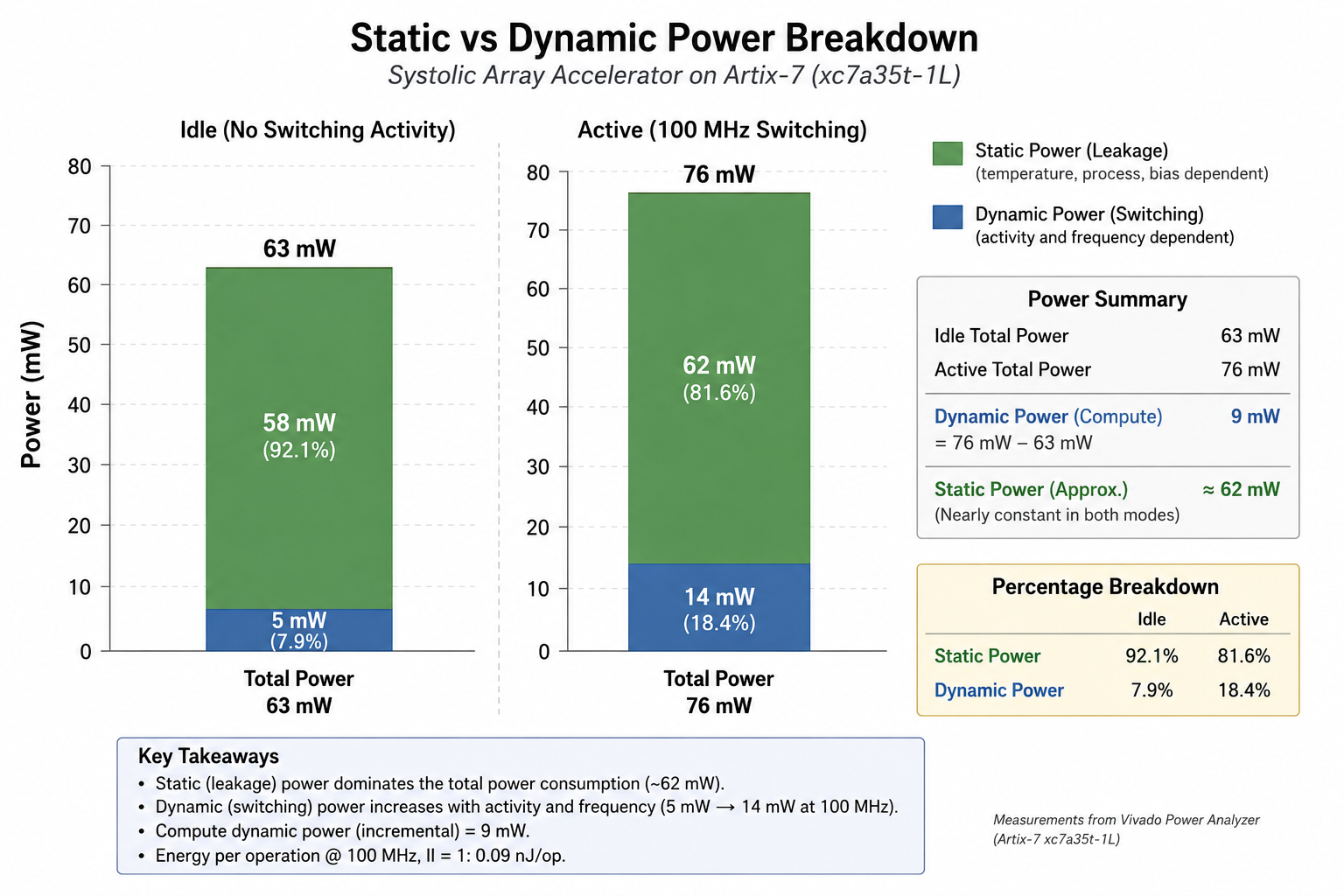
Highlights: 1 px/cycle throughput (~122 MP/s @ 122 MHz Fmax), ~7.6× speedup vs. CPU baseline, 1.48% LUT utilization, SAIF-characterized power analysis (114 mW active / 72 mW idle).
Ubuntu Server (Personal Cloud & Services)
Architected an Ubuntu server to host ROS2 simulations, Nextcloud, WireGuard VPN, and personal web services. Administered backups, users, and service orchestration for development and remote access.
Highlights: service administration, Docker/VMs, WireGuard, Nextcloud hosting.
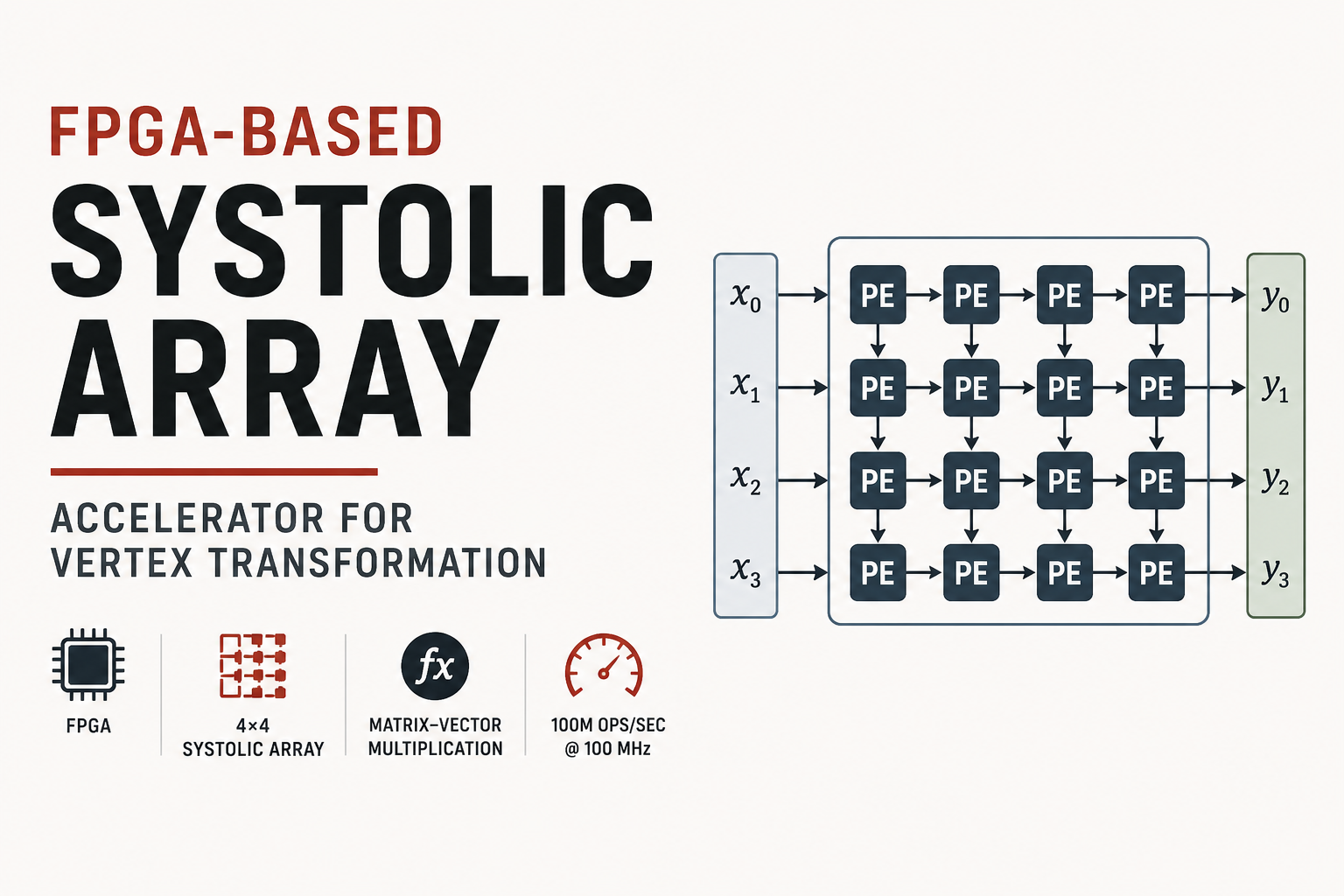
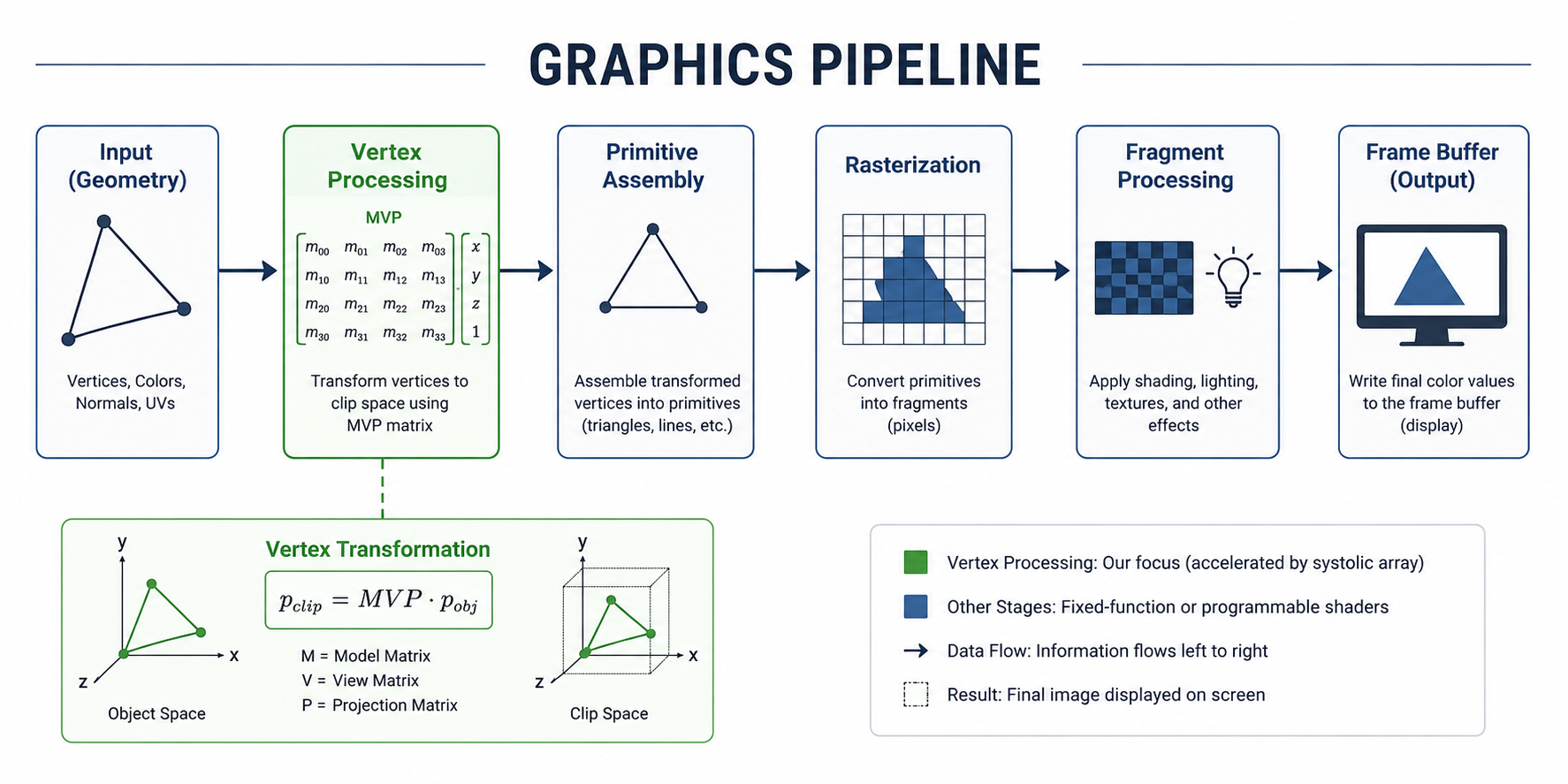
FPGA-Based Systolic Array Accelerator for Vertex Transformation
Designed a parameterized 4x4 systolic array accelerator for graphics matrix-vector transformations using fixed-point arithmetic on FPGA.
Highlights: Q16.16 pipelined MAC array, 100 MHz, 100M ops/sec, 9-cycle latency, 16 DSP48E1.

Smart Bench PSU
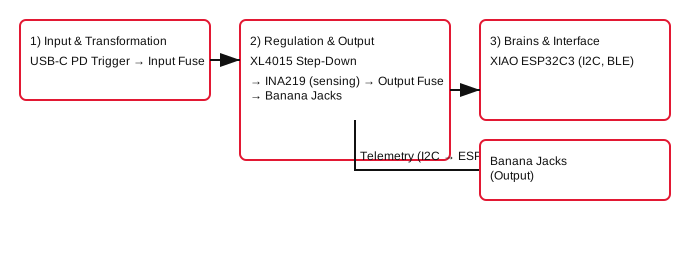
Designed a programmable bench power supply that converts USB-C PD input into a wide adjustable output with digital sensing and wireless control.
Highlights: USB-C PD input and negotiation, XL4015 DC-DC step-down regulation, INA219 sensing, ESP32 control, KiCad PCB, Android BLE app.
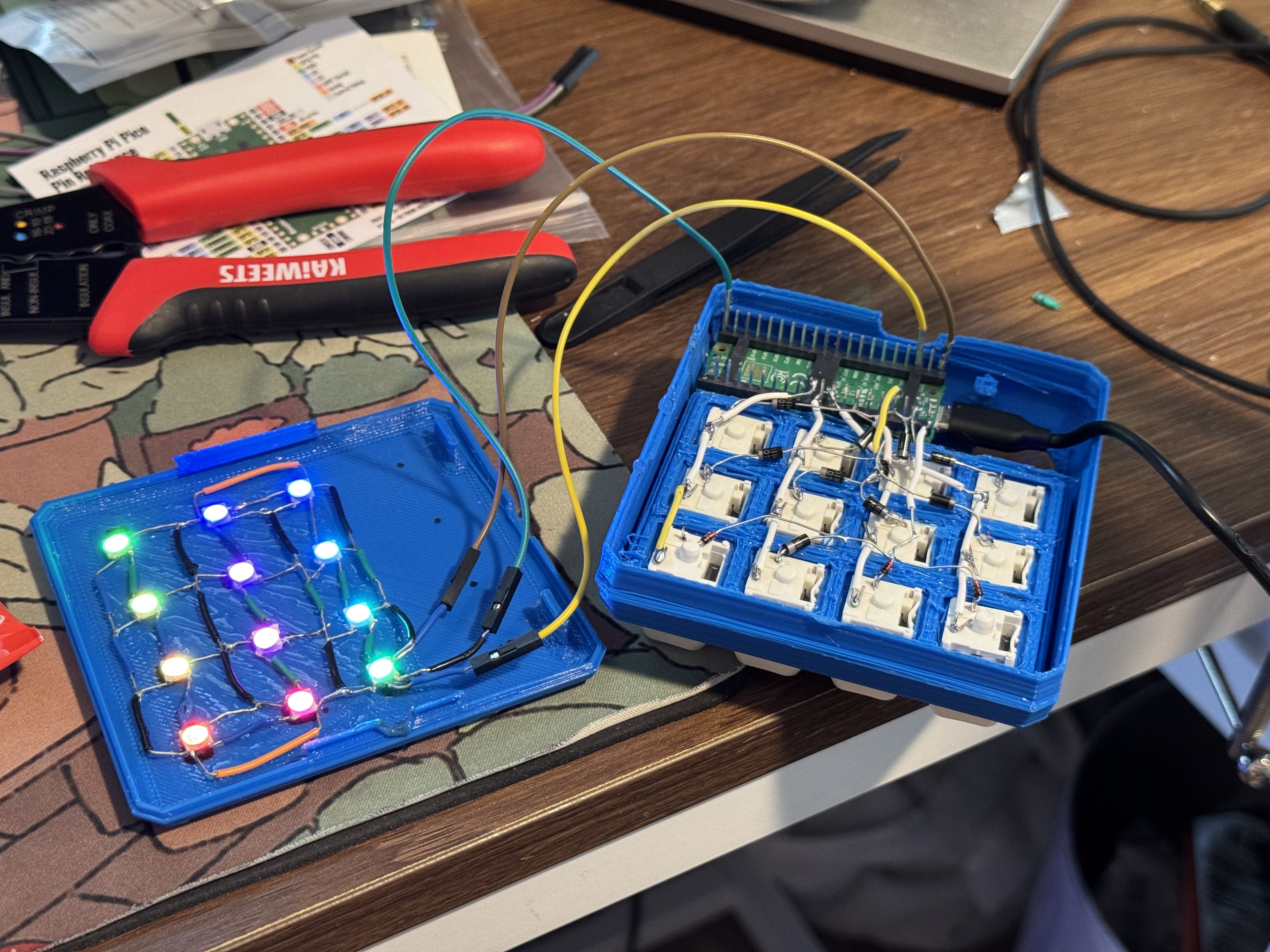
Macro Keyboard
Designed a 12-key macro pad with hand-wired matrix, WS2812B lighting, and KMK-powered firmware on a Raspberry Pi Pico. Implemented multi-layer profiles and NKRO.
Highlights: embedded firmware, 3D printing, KMK, CircuitPython.
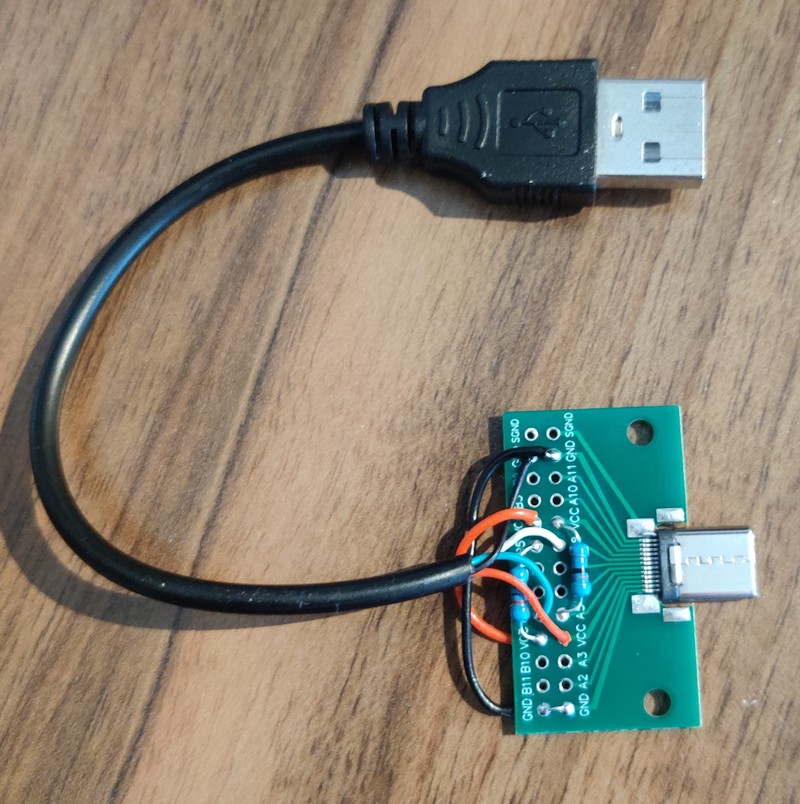
Debian ARM Install – Lenovo Duet 5
Flashed Debian ARM to a Lenovo Duet 5, built a SuzyQable interface to Google's Cr50 via UART-over-USB, and resolved firmware/device-tree issues to enable booting.
Highlights: low-level boot, device trees, firmware troubleshooting.
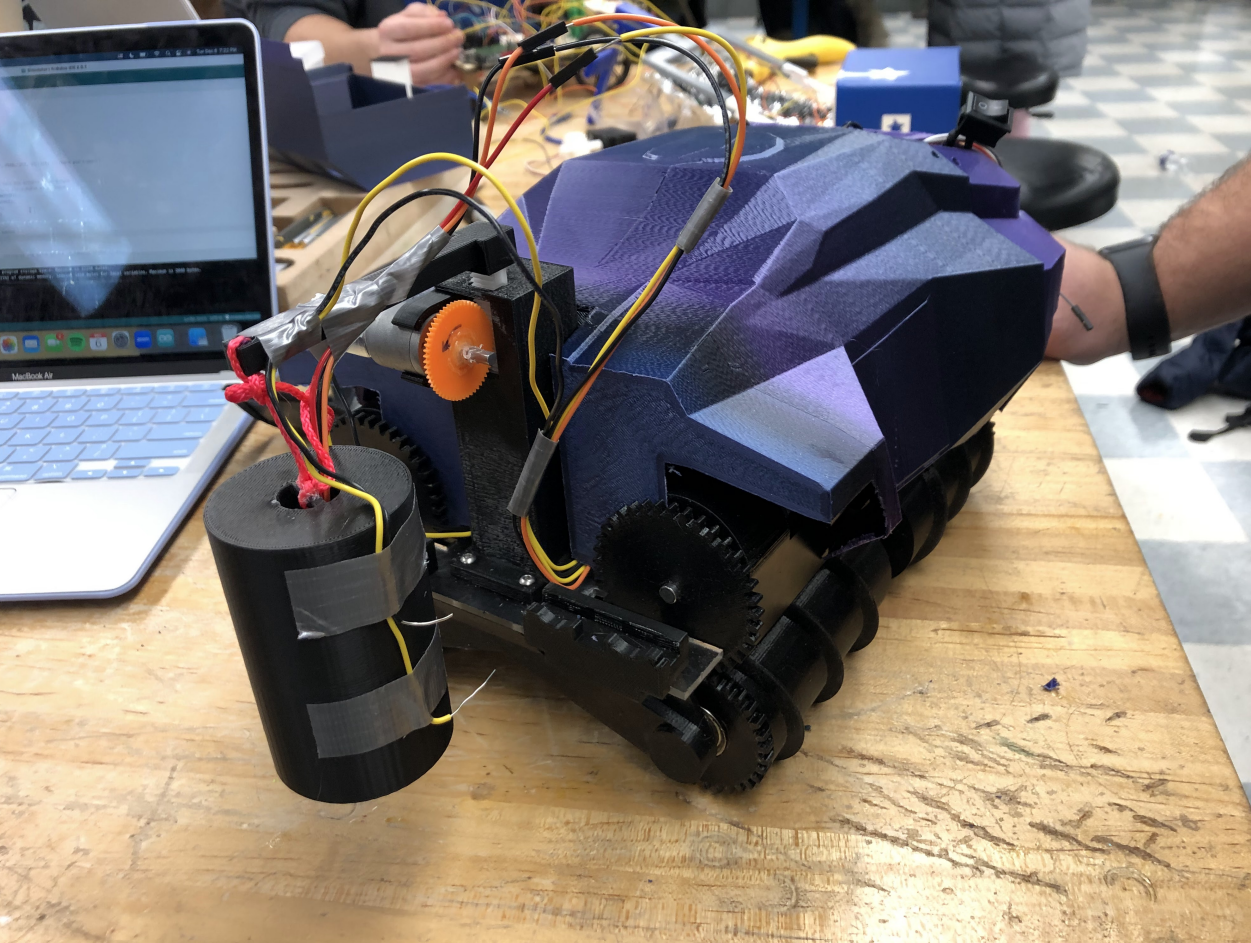
Arduino Rover (Autonomous)
Sole developer of navigation and obstacle-avoidance software for an Arduino-based rover. Integrated sensors and actuators and coordinated with teammates on mechanical design.
Highlights: embedded C, sensor fusion, robotics algorithms.
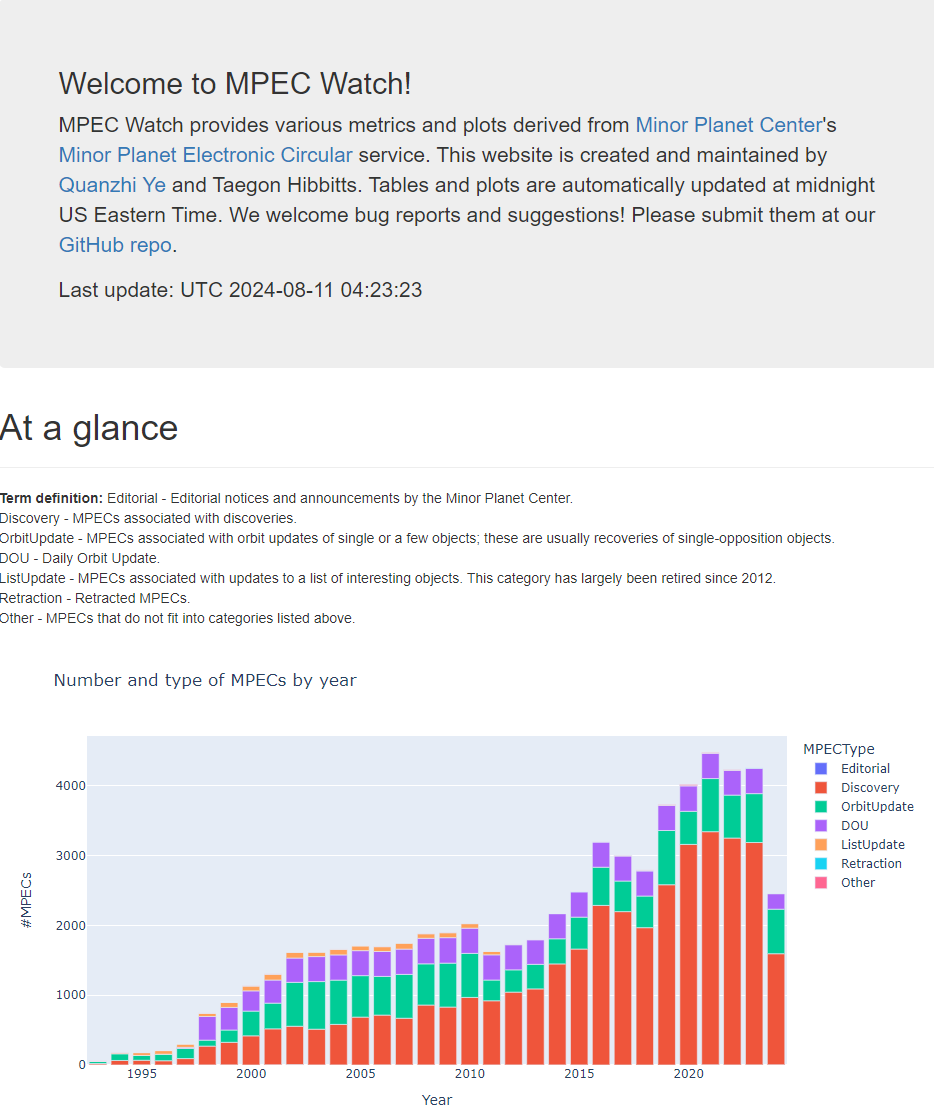
MPECWatch
Web application providing minor-planet data visualizations and observatory browsing. Implemented Python scraping, SQLite databases, and visualization tooling.
Highlights: Python, SQLite, data visualization, web scraping.

MCP Personal Shopping Assistant (Klaviyo Hackathon)
MCP backend service that lets merchants query customer segments and generate campaign drafts through natural language.
Highlights: TypeScript, MCP tool routing, mock + live Klaviyo client, email/SMS draft engine.
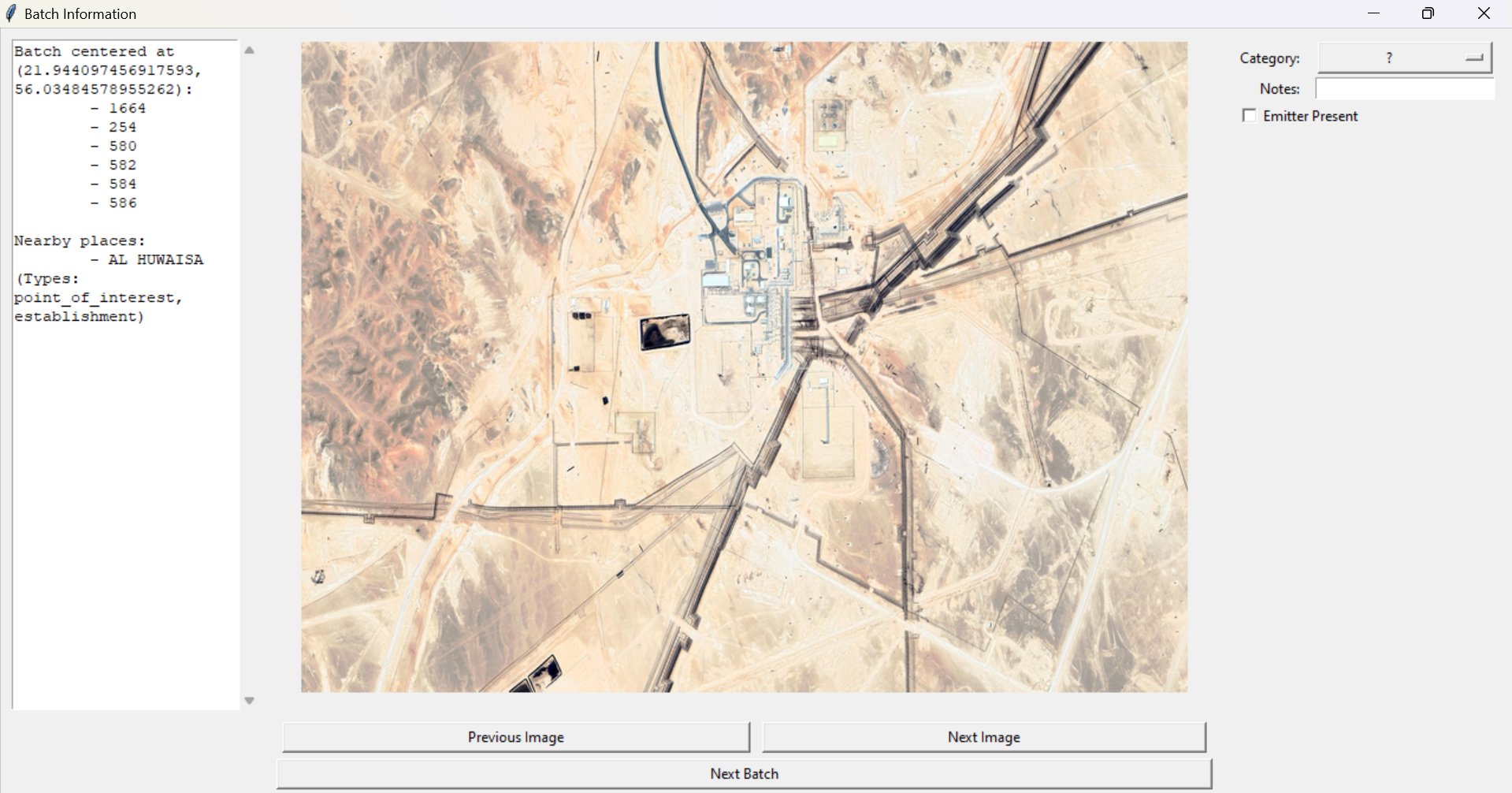
EMIT Image Labelling Application
Image-labeling tool for methane super-emitter detection using Google Maps API, geoproximity batching, and CSV export for CNN training (~83% accuracy in early experiments).
Highlights: Python, GIS APIs, data pipelines, ML data preparation.